Australian packaging policy is evolving, and brands should check the requirements that apply to their products and sales markets. This isn't just a regulatory hurdle. It's a defining moment for your brand's visual legacy. You might worry that sustainable packaging design means sacrificing vibrant colour for "recycled brown" or facing "greenwashing" scrutiny from the ACCC. It’s a valid concern. Transitioning to a circular model shouldn't mean diluting your hard-earned prestige.
We believe sustainability is a strategic asset, not a compromise. This article provides a clear roadmap to help you navigate APCO regulations while maintaining a sophisticated, luxury aesthetic. You'll discover the 2026 material trends reshaping the market and learn how to elevate your brand through intentional, high-impact design. Let’s explore practical ways to reduce packaging waste while communicating clearly with customers.
• Master the shift to circular design. Use the National Packaging Targets to inform material choices, and check the separate obligations that apply to your business.
• Avoid the "recycled brown" cliché. Use sophisticated textures and embossing to maintain a premium brand aesthetic without relying on plastic coatings.
• Explore high-impact material innovations. Discover how mushroom packaging and seaweed films offer high-performance alternatives to traditional plastics.
• Implement a strategic sustainable packaging design framework. Reduce waste at the concept stage while simultaneously elevating your visual identity.
• Connect with local Victorian suppliers. Find the right partners in Melbourne and Ballarat to scale your eco-friendly transition seamlessly.
Australia has reached a critical juncture. The days of "green" being a niche marketing angle are gone. In 2026, sustainable packaging design is the baseline for entry into the Australian market. We aren't just talking about a cardboard box anymore. We're talking about a strategic alignment with the National Packaging Targets. The targets sit alongside Australia's existing co-regulatory packaging framework. Confirm your obligations under the Australian Packaging Covenant and relevant state or territory rules rather than assuming the targets are a blanket legal deadline.
Designers and brands are no longer just making things look pretty. We are engineering solutions. The Evolution of Sustainable Packaging demonstrates how our industry moved from simple waste reduction to complex, system-wide changes. Today, sustainability is woven into the brand strategy from day one. It's about creating a visual identity that speaks to a deeper purpose. We don't just design for the shelf. We design for the future.
The old "take-make-waste" model is dead. It was a linear path to a landfill. Today, we design for the circular model. This means considering the end-of-life before the start-of-life. If a pack cannot be reused, recycled, or composted, it shouldn't exist. Australian brands are purging single-use plastics from their supply chains at a rapid pace. We are seeing a massive shift toward materials that stay in the loop. Design is the catalyst here. It bridges the gap between a product's utility and its environmental footprint. We create assets for a circular economy, ensuring every material choice serves a long-term goal.
Shoppers in Melbourne and Ballarat have evolved. They don't just want a product. They want proof of its ethics. Victorian consumers are increasingly prioritising brands that show radical transparency. They want to know exactly where the material came from and exactly where it's going. Greenwashing is your biggest risk today. Vague terms like "eco-friendly" or "natural" don't cut it. The ACCC is watching. If you can't back your claim with data, you lose trust. In a competitive market, trust is the most expensive thing you can't buy back. Authentic sustainable packaging design is the only way forward for brands that want to lead.
Effective strategy begins with a single question: how do we design out waste before it even exists? This isn't about choosing a different box. It's about a fundamental "Design Out Waste" philosophy. By the time a product reaches a customer, its environmental fate is already sealed. We help brands take control at the concept stage. For premium brands, material reduction is a powerful aesthetic choice. Less isn't just better for the planet. It's a hallmark of luxury. Minimalist sustainable packaging design strips away the unnecessary, leaving only what is essential and elegant.
To lead in the 2026 market, your framework must be rigorous. We look to the core principles of Designing for the Circular Economy to guide every creative decision. This involves a three-pillared framework that ensures your packaging isn't just "less bad," but actively good for the system.
We focus on reducing the physical footprint. This means lighter weights, smarter dimensions, and eliminating air space in shipping.
We eliminate toxins and non-recyclable coatings. Your brand's safety and integrity depend on the purity of your materials.
We decide between compostable or recyclable pathways early. This choice dictates every subsequent design move.
Mixed-material packaging is the enemy of the circular economy. Think of the plastic-lined cardboard coffee cup or the foil-backed snack pack. These are technical nightmares for Australian recycling facilities. In 2026, the move toward mono-materiality is non-negotiable. Single-material solutions eliminate friction. They don't require the consumer to be an expert in disassembly. They just work. This simplicity also improves brand clarity. It signals a brand that is confident, organised, and intentional. When you simplify the structure, you amplify the message.
Integrating the Australasian Recycling Label (ARL) is the final strategic step. It doesn't have to ruin your visual identity. We treat the ARL as a core part of the graphic language. It's an opportunity for radical transparency that consumers now demand. If you're ready to evolve, our team specialises in packaging design that balances these complex regulations with high-end style. We bridge the gap between compliance and creativity.
The standard brown box is no longer the peak of eco-conscious branding. As we move into 2026, the focus has shifted toward high-performance materials that challenge our understanding of waste. Innovation is now a requirement for luxury. High-end Australian brands are moving away from traditional plastics in favour of bio-engineered alternatives. Sustainable packaging design has entered a new era of materiality. We are seeing the rise of mycelium-based protective inserts. These are grown from mushroom roots and agricultural waste. They offer the same cushioning as polystyrene but are entirely home-compostable. They feel organic, premium, and intentional.
Seaweed-based films are another breakthrough. These serve as the 2026 alternative to soft plastics. They are marine-safe and break down in weeks, not centuries. For luxury retail, PCR (Post-Consumer Recycled) plastics are being refined to achieve high-clarity finishes. This allows brands to meet recycled content targets without losing that "new" tactile experience. We are also seeing a shift toward refillable systems. Here, the packaging is no longer waste. It is a vessel. It is a permanent brand asset that the consumer keeps and cherishes, moving the brand into a "packaging as a service" model.
Understanding the distinction between industrial and home compostable standards is vital for compliance. Australia has strict certifications, such as AS 4736 and AS 5810. Choosing the wrong material can lead to consumer confusion or greenwashing claims. For businesses in the hospitality sector, these choices are even more critical. You can find specific safety and compliance insights in our guide to Food Packaging Design Australia. Getting this right ensures your brand stays on the right side of regulation while protecting your product.
Digital integration is the new frontier of waste reduction. We are replacing bulky instruction booklets with elegant QR codes. This cleans up the visual space and reduces the physical material required. NFC tags are also gaining traction. These small chips allow customers to tap their phone and hear the "provenance story" of the materials. It turns a simple box into an interactive experience. By using tech, we reduce printed collateral and create a direct line of communication with the consumer. It is efficient. It is modern. It is strategic sustainable packaging design in action.
Choosing sustainability doesn't mean your brand has to look "cheap" or "earthy". Many Australian business owners fall into the "Brown Paper" Trap. They assume that for a pack to look ethical, it must be kraft brown and unadorned. This is a myth. High-impact sustainable packaging design is about using material constraints as a creative catalyst. We replace plastic coatings and metallic foils with sophisticated texture and embossing. These tactile elements create a sense of depth and luxury that plastic can't replicate. They also ensure the packaging remains fully recyclable at its end-of-life. A debossed logo on a high-GSM recycled stock feels more premium than a glossy laminate ever could.
Vibrant colour remains a powerful tool in your brand's arsenal. We utilise vegetable-based and soy inks to achieve rich, deep hues that don't compromise the de-inking process during recycling. It's a strategic choice. You get the visual punch of a premium brand while adhering to the highest environmental standards. These inks offer a broader gamut of colour than many realise. They allow for gradients and fine details that stay crisp and clean. This balance is where true innovation happens. It proves that ethics and aesthetics can coexist beautifully without compromise.
Premium branding is evolving. We are seeing a shift from excessive layers and heavy weights to refined, tactile quality. A minimalist approach communicates confidence. It says your brand is secure enough to let the product and the material speak for themselves. For more on this, explore our insights into Luxury Packaging Design. It's about elevating the brand through intentionality, not just excess. Every fold, every tab, and every surface must serve a specific purpose. This is the new definition of premium in the Australian market.
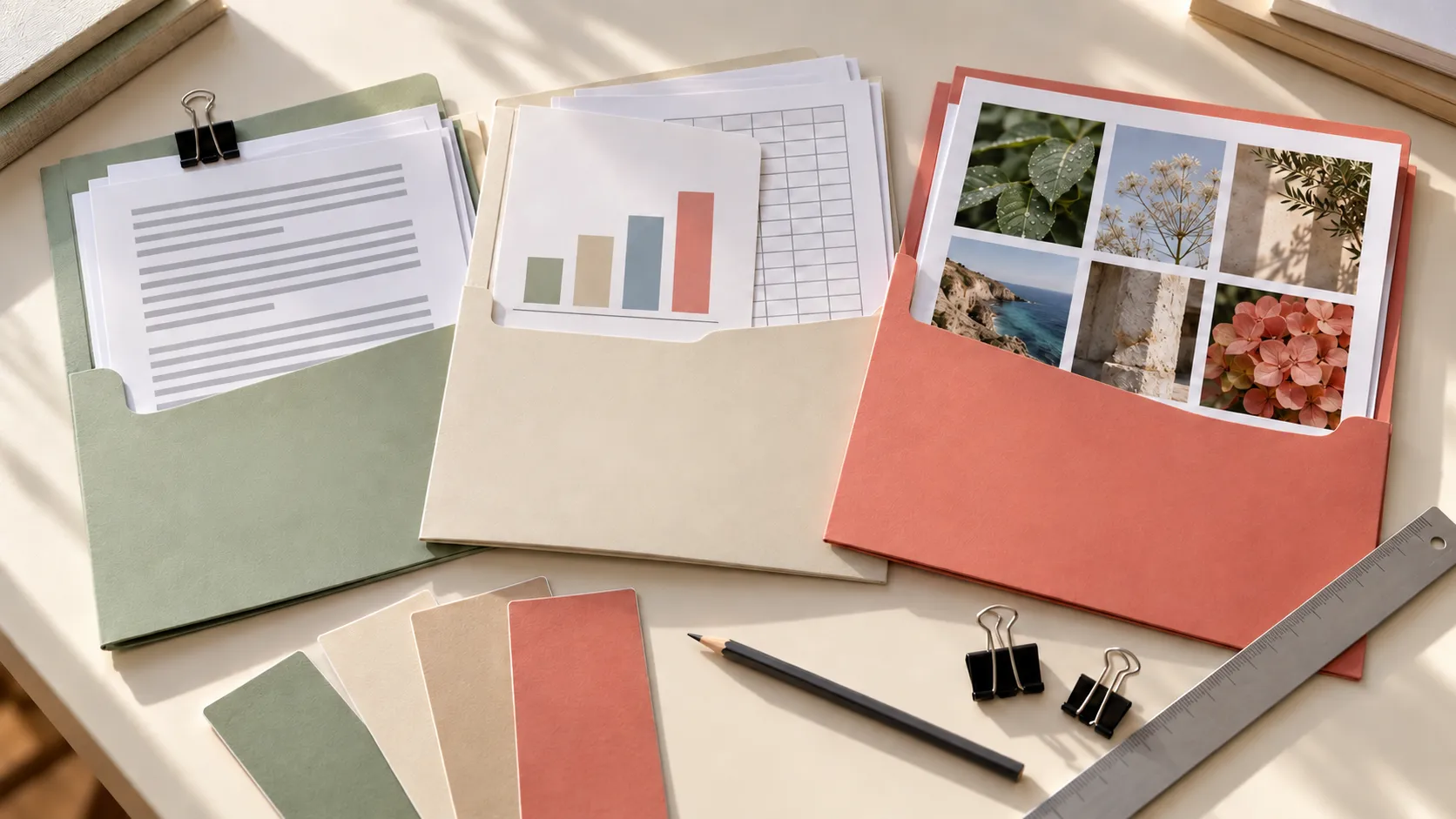
Your visual identity must tell the story clearly and honestly. We use Strategic Product Label Design Services to highlight your eco-credentials without cluttering the aesthetic. Typography should feel modern and grounded. In 2026, colour psychology is shifting toward authenticity. We see that "muted" doesn't mean "boring". Deep forest greens, clay terracottas, and stone greys signal sustainability while maintaining a high-end feel. These palettes resonate with the Australian landscape. They create a connection that feels both human and sophisticated. It's about building trust through visual consistency and strategic alignment.
Ready to redefine your brand's presence? Our team at Seamer Design specialises in sustainable packaging design that captures attention while respecting the planet. Let's create something extraordinary together.
Execution is where strategy meets reality. For brands in Melbourne and Ballarat, the transition to sustainable packaging design is a local opportunity as much as a global necessity. It's a strategic evolution. We don't just provide a design; we provide a partnership. We understand the unique pressures Victorian businesses face, from supply chain logistics to regional consumer expectations. Measuring the ROI of this investment is about more than just cost per unit. It's about brand longevity, reduced waste levies, and capturing a market that rewards ethical leadership. A well-executed strategy protects your brand from the volatility of future regulations.
Our approach at Seamer Design is built on intentionality. We bridge the gap between high-level sustainability goals and the practicalities of production. This involves a phased approach, especially for small to medium businesses. You don't have to change everything overnight. We identify the high-impact areas first, ensuring your transition is both manageable and measurable. This methodical flow respects your budget while maintaining a high level of engagement with your audience. We focus on the transformative potential of collaboration to move your brand from its current state to a desired, circular future.
Sourcing local is a core component of your sustainability story. By reducing "packaging miles", you lower your carbon footprint and support the Victorian economy. Melbourne is home to some of the country's most innovative printers and material manufacturers. We specialise in connecting Ballarat businesses with these high-end national suppliers. It ensures your project stays grounded in reality while reaching for global standards. This local focus isn't just about ethics. It's about agility. Shorter supply chains mean faster prototyping and more responsive design iterations. It makes your brand more resilient.
A structured roadmap ensures nothing is left to chance. We guide you through every stage of the process to ensure sustainable packaging design becomes your brand's greatest asset.
We identify the materials that are holding you back and find the quick wins for immediate impact.
We ensure every choice reflects your visual identity and strategic goals.
We ensure your packaging is tough enough for the Australian post and beautiful enough for the shelf.
Ready to elevate your brand? Partner with Seamer Design for your next project and let's lead the circular economy together.
The year 2026 represents a defining turning point for Australian industry. It's a time to move beyond the fear of greenwashing and embrace the transformative potential of circularity. True sustainable packaging design balances rigorous compliance with an uncompromising commitment to brand aesthetics. It's about creating a vessel that protects your product while honouring the planet. We've seen how material innovation and strategic minimalist design can actually elevate a luxury brand's presence while working towards better material and recovery outcomes.
At Seamer Design, we bring over 20 years of strategic design experience to every partnership. As Melbourne and Ballarat based experts, we specialise in custom brand identity and packaging that bridges the gap between vision and reality. We understand the local landscape and the national targets. Most importantly, we understand how to make your brand stand out for all the right reasons. We don't just execute tasks; we champion your goals through every fold and finish.
Elevate your brand with strategic packaging design. Contact Seamer Design today.
The path forward is clear. By choosing intentionality over excess, you ensure your brand remains relevant, respected, and ready for the future. Your journey toward a more sustainable legacy starts with a single, purposeful decision. We look forward to helping you lead the way.
Initial costs for eco-friendly materials can be higher, but strategic sustainable packaging design often lowers long-term expenses through material efficiency. By reducing the physical footprint of your pack, you spend less on shipping and storage. We focus on a "less is more" philosophy that offsets substrate costs while building significant brand equity. Conscious consumers are often willing to pay a premium for brands that demonstrate clear environmental leadership.
The National Packaging Targets provide industry goals for packaging recovery and material use. They should not be treated as a blanket end-of-2026 legal deadline. Review your packaging portfolio and check the Australian Packaging Covenant and relevant state or territory rules to confirm your obligations.
You can absolutely maintain a high-end aesthetic by focusing on tactile quality instead of glossy plastic coatings. Premium recycled stocks with a high GSM provide a sophisticated, weighted feel that signals authenticity. We use techniques like blind embossing, debossing, and letterpress to create depth and interest. These methods communicate environmental responsibility and confidence, proving that 100% recycled materials can feel more luxurious than traditional virgin plastics.
Home compostable materials break down in a standard backyard bin, while industrially compostable materials require the high heat of a commercial facility. Australia has strict certifications for both, known as AS 5810 and AS 4736 respectively. It's vital to choose the right one for your product's typical disposal route. Clear labelling is now a legal requirement in some states to ensure consumers don't accidentally contaminate recycling streams with compostable items.
Avoid greenwashing by using specific, evidence-based claims instead of vague terms like "eco-friendly" or "natural". The ACCC identifies greenwashing as a major compliance focus and requires businesses to provide clear supporting evidence for every environmental claim. We recommend using data-backed certifications and QR codes to share your provenance story. Transparency is the best way to build trust and ensure your sustainable packaging design remains legally compliant.
The Australasian Recycling Label is an on-pack labelling program available through APCO membership. Check the program's eligibility, assessment and artwork requirements before using its labels. The label provides evidence-based instructions that help your customers recycle each component of your packaging correctly. Integrating this into your visual identity shows you are serious about your role in Australia's circular economy.
Bio-engineered alternatives like mycelium inserts and honeycomb paper offer shock absorption that equals or exceeds plastic bubble wrap. These materials are specifically designed for high-impact protection during transit. They provide a snug, custom fit for delicate items while ensuring the unboxing experience remains premium. Switching to these materials removes problematic plastics from your supply chain without risking the safety of your product.
Look for a specialist partner who understands both the local Victorian manufacturing landscape and national regulatory frameworks. Seamer Design acts as a creative catalyst for brands in Melbourne and Ballarat, offering over 20 years of strategic design experience. We bridge the gap between complex sustainability targets and high-end visual identity. Our team ensures your transition is methodical, results-oriented, and perfectly aligned with your brand's long-term goals.